










TRUSTED BY



/Davita.png)



What Problems Do We Solve
with Our Approach?
Since 1997, WorldBlu has taught our award-winning, Freedom at Work® leadership strategy to CEOs and their teams globally, driving breakthrough growth, cultivating world-class leaders, and developing cultures people love. Let us show you how.

Leadership
Development

Culture
Transformation

Engagement &
Retention

Personal
Accountabilty

Quality
Decision-Making

Collaboration
& Trust

Agility
& Scalability

Mental
Resilience
What Benefits Do We Achieve
For Our Clients?
Our award-winning Freedom at Work leadership strategy averages 700% greater revenue growth compared to S&P 500 companies over three years as well as:

Leadership
Excellence
Healthy
Cultures
Ownership
Mindset
Organizational
Democracy
Decentralized
Teams
Scalable
Culture

Organizational
Resilience
Breakthrough
Growth
Transforming the World
One Company at a Time
700%
Greater revenue growth for our clients compared to the S&P 500 over 3 years

200
WorldBlu certified Freedom-Centered Organizations have earned the exclusive award

28
Years teaching the Freedom at Work® Leadership Strategy

100
Number of countries we’ve trained leaders in

9.9/10
Average rating of our programs

1052000+
Number of employees benefited by Freedom at Work

99%
Completion rate of our training

Our awards and global recognition





Here's why CEOs love the Freedom at Work®
Leadership and Culture Strategy
Thanks to Freedom at Work, our sales have quadrupled and our market cap has increased from $250 million to over $3 billion.
Garry Ridge
CEO Emeritus | The WD-40 Company
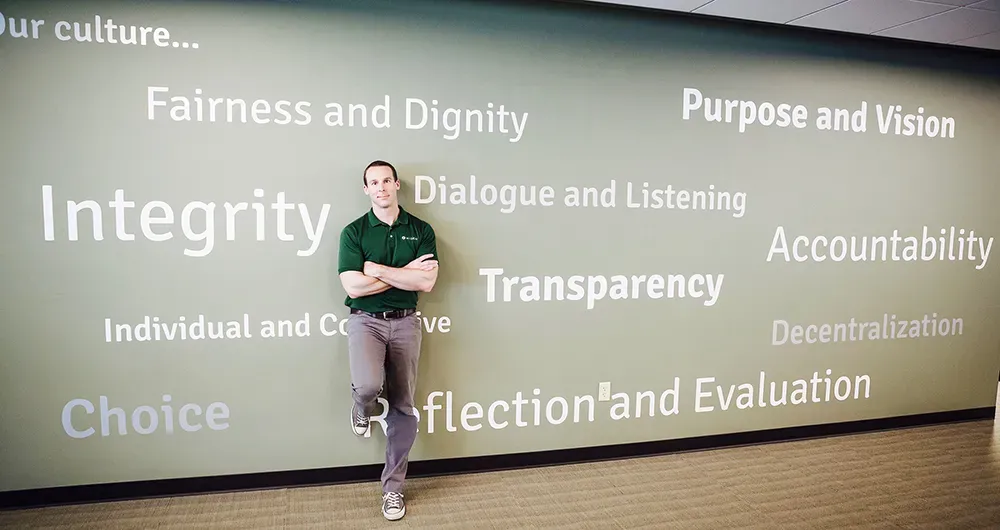
Freedom at Work has helped us grow on average 23% each year, totaling 701% growth over 10 years.
Matthew Gonnering
CEO | Widen, an Acquia Company

Freedom at Work ultimately helped us grow and took our new spin-off from $0 to a $175 million sale in just two years.
Dallas Kashuba
CEO | DREAMHOST
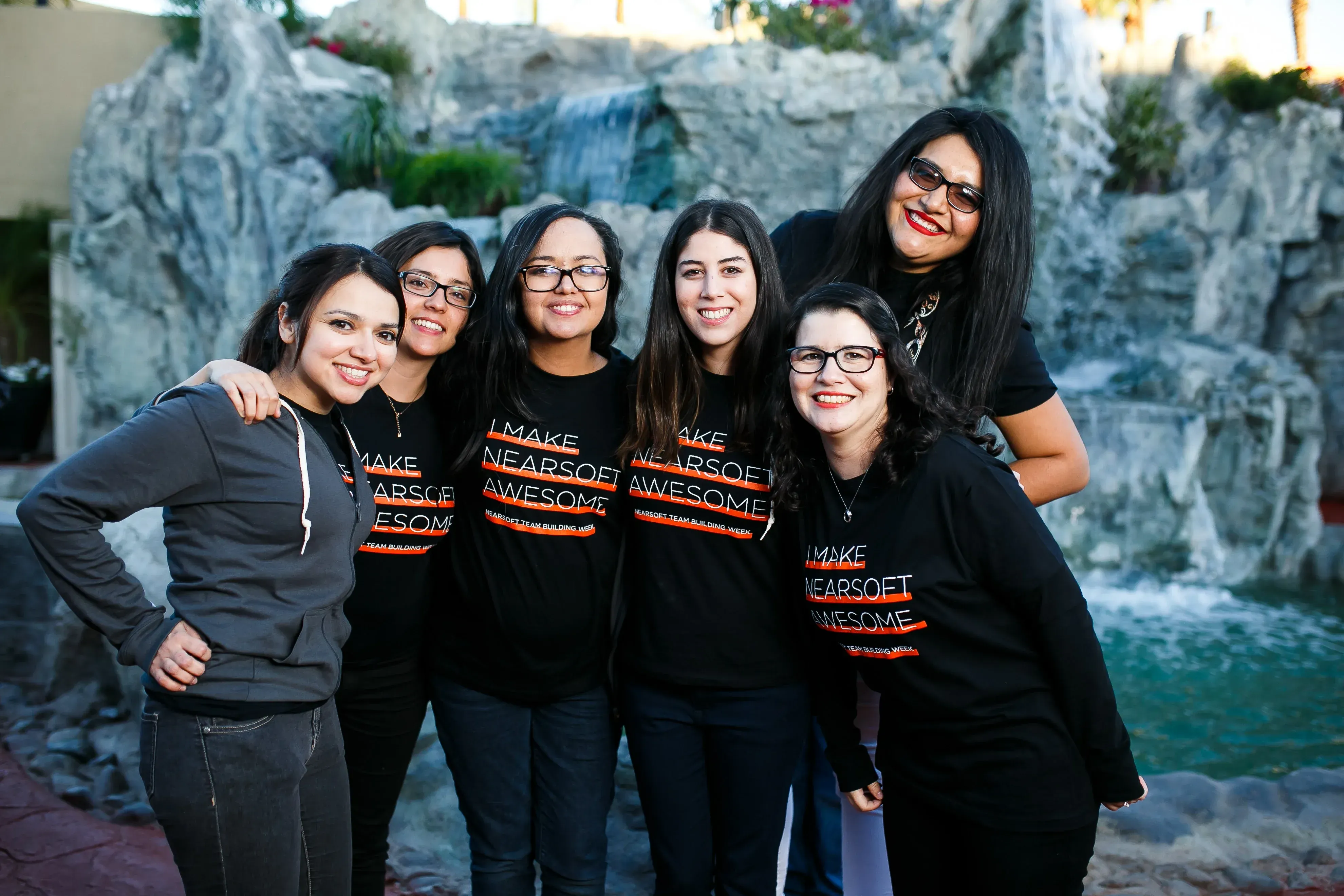
With Freedom at Work, we've grown more than 12x. Our growth and success is a direct result of the democratic Freedom at Work leadership strategy.
Matt Perez
COO Emeritus | Nearsoft Encora
As a result of WorldBlu's Freedom at Work leadership training, we grew 63% in one year.
Nathan Donaldson
CEO | Boost
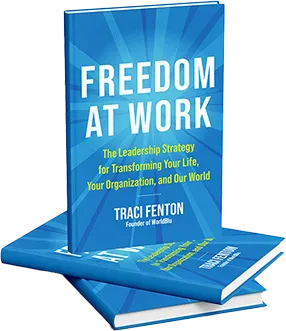
Get Traci Fenton's Newest Book
The top CEOs worldwide are shifting from hierarchical to democratic leadership that is more decentralized, collaborative, adaptive, and scalable. Get inspired by companies practicing the Freedom at Work leadership strategy worldwide and discover how to bring it to your team.


FEATURED IN